 (+91)- 9528137478
 drtusharanand@gmail.com
 ROC : 114/1, I Block, Near Ambedkar Chowk, PVS Mall Road, Shastri Nagar, Meerut
Common Causes Leading to Knee Replacement Surgery
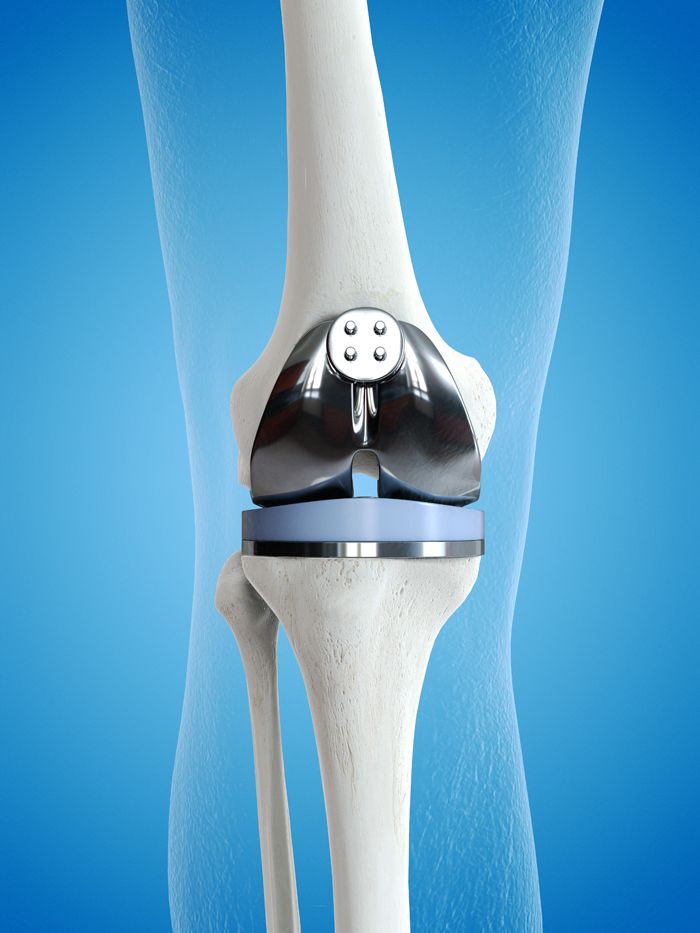
Knee pain can be debilitating, affecting your ability to walk, climb stairs, and perform everyday activities. While various treatments can manage knee problems, some cases become so severe that knee replacement surgery becomes the most effective solution. This blog explores the common causes that lead people to consider knee replacement surgery, helping you understand when and why this procedure is recommended.
Understanding Knee Replacement Surgery
Knee replacement surgery (also known as knee arthroplasty) involves replacing the damaged or worn-out surfaces of the knee joint with artificial implants. It's usually recommended when other treatments such as medication, physiotherapy, or injections fail to provide relief.
Common Causes of Knee Damage Leading to Replacement
1. Osteoarthritis (Degenerative Joint Disease)
- Most common reason for knee replacement
- Caused by wear-and-tear of cartilage with age
- Symptoms: Pain, stiffness, swelling, and reduced mobility
2. Rheumatoid Arthritis
- Autoimmune condition that causes chronic inflammation
- Destroys joint cartilage and soft tissues
- Leads to pain, swelling, and joint deformity
3. Post-Traumatic Arthritis
- Develops after a serious knee injury (fracture, ligament tear)
- Damage to bone and cartilage causes long-term joint degeneration
4. Knee Deformities
- Knock-knees (valgus) or bowlegs (varus)
- Misalignment puts uneven stress on knee joints
5. Failed Previous Surgeries
- Prior procedures like partial knee replacements might fail
- Total knee replacement may be required as a corrective measure
6. Loss of Joint Function
- Inability to walk, stand, or bend the knee properly
- Impacts quality of life and daily independence
Who is Most Likely to Need Knee Replacement?
- People above 50 years old
- Those with chronic knee pain or arthritis
- Individuals with limited mobility
- Patients with non-responsive results to conservative treatments
Consult an orthopedic surgeon if:
- Pain persists despite medication
- Sleep is disturbed due to knee pain
- You’re unable to perform daily tasks
- The knee becomes unstable or severely deformed
Final Thoughts
Knee replacement surgery is not the first option—but it’s often the most effective one when joint damage is beyond repair. If you or a loved one is dealing with unrelenting knee pain, understanding the underlying causes can help in making informed decisions.
Mobility is quality of life—don’t ignore your knees!
Need Expert Consultation?
Consult with a qualified orthopedic surgeon to evaluate your condition and explore treatment options. Early diagnosis and management can delay the need for surgery and improve outcomes when surgery becomes necessary.